Top Ways Residential Epoxy Flooring Improves Your Garage
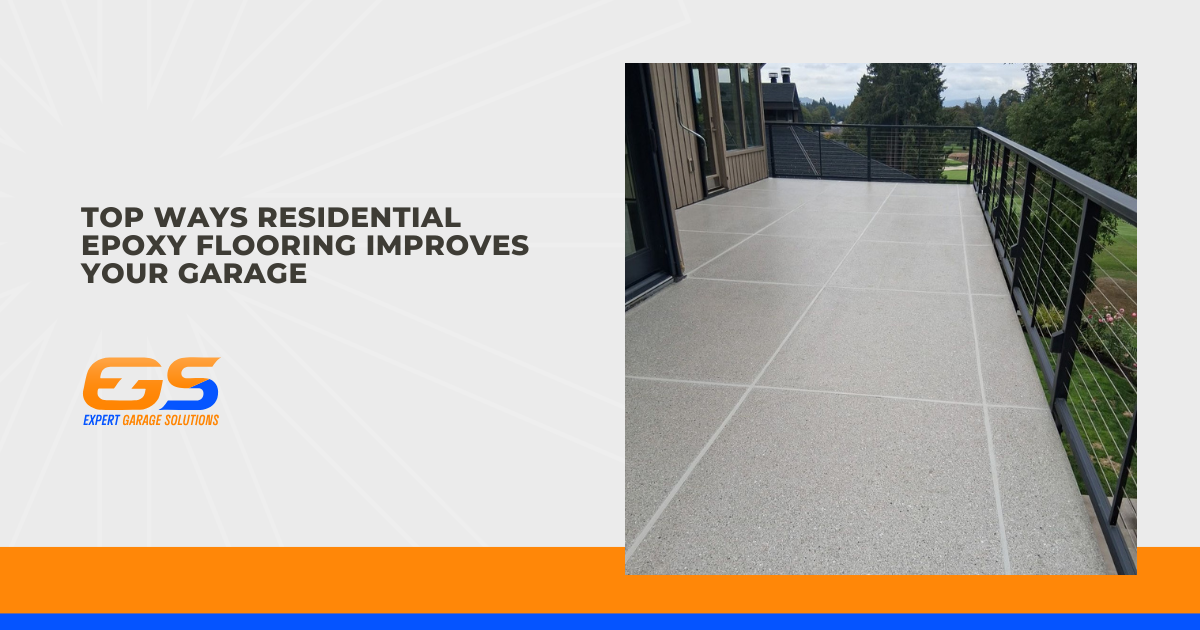
A garage floor takes punishment few other surfaces in your home ever see. Oil stains, hairline cracks, and dust that never fully sweeps away are the norm, but residential epoxy flooring rewrites that story for the concrete you park on. You ask a lot of that slab, between the car, the tools, and everything stacked along the walls. The fix is simpler than the floor's condition makes it look.
Coating the floor changes how the whole space feels to use. I've seen plain, grimy garages turn into rooms people actually want to spend time in, and it almost always starts underfoot. Spills wipe up instead of soaking in, the surface shrugs off the weight and traffic you throw at it, and the brighter finish makes the work you do down there easier. The look can even be yours to choose, which is where a lot of the fun comes in.
These are the top ways residential epoxy flooring improves your garage:
- Resistance to stains and chemical spills
- Durability against heavy daily use
- Faster, simpler cleaning and maintenance
- A brighter, more usable space
- A customizable look for your floor
- Better footing and slip resistance
- Higher resale value for your home
Let's look at each one and what it actually means for the way you use your garage
Resistance to Stains and Chemical Spills
Bare concrete is basically a sponge. It's full of tiny pores that pull in whatever lands on it, so a single oil drip can leave a dark shadow that no amount of scrubbing fully lifts. Gasoline, brake fluid, antifreeze, and the road salt your tires drag in all sink down into the slab and settle there for good.
An epoxy coating seals that surface into one smooth, non-porous layer. Spills bead up and sit on top instead of soaking in, which gives you time to wipe them away before they leave a mark. The same chemicals that would stain raw concrete just roll off a finished floor without a trace. A quick pass with a rag or a paper towel is usually all it takes, even for the messes that used to mean a ruined patch of slab.
You notice the difference most in the spots that used to take the worst of it. The patch under the engine, the corner where you store paint and solvents, the strip by the door where winter slush collects, all of it stays clean and even-toned. Your garage floor keeps looking finished long after an untreated slab would be covered in blotches and rings.
That protection matters most in colder climates, where homeowners choosing an
epoxy garage floor coating in Fort Wayne deal with road salt and slush tracked in all winter.
Durability Against Heavy Daily Use
A garage floor gets treated less like flooring and more like a workbench you happen to stand on. Jack stands dig in, a dropped wrench hits hard, and the full weight of your car presses down on the same few square feet day after day. Raw concrete answers all of that with chips, surface dust, and cracks that only widen as time goes on.
I've pulled a floor jack across a finished epoxy floor hundreds of times and watched it leave nothing behind. The coating bonds tight to the concrete and adds a hard, resilient shell that takes impact and abrasion without flaking or thinning out. Heavy tool chests roll over it, ladders scrape across it, and the surface holds its finish through all of it.
This toughness is why an epoxy floor tends to outlast most of what you put on top of it. You're not resealing it every season or patching worn spots where the traffic concentrates. One solid coating handles years of parking, projects, and foot traffic while still looking close to the day it cured.
Faster, Simpler Cleaning and Maintenance
Cleaning a bare concrete floor is a losing battle. The rough, porous surface traps dust in every pit and grabs on to dirt that a broom just pushes around. Sweep it today and a fresh gray film settles back over it by the end of the week. Spills soak in before you can deal with them, and the stains they leave behind turn into one more thing you stop trying to scrub out.
A finished epoxy surface is smooth enough that debris has nowhere to hide. Dust and dirt sweep up clean in a single pass, and a quick mop or a hose-down handles anything that's left. There's no sealing, waxing, or special product to buy, since the coating itself is the protective layer doing all the work.
Upkeep mostly comes down to the occasional sweep and the rare wet cleaning when the floor actually looks like it needs it. You spend your garage time on the projects you came out to do, not on fighting a floor that never seems to come clean. The surface looks cared for with a fraction of the effort an untreated slab demands.
A Brighter, More Usable Space
Concrete drinks up light. The dull gray surface absorbs whatever your overhead bulbs throw down, leaving the garage feeling dim and cave-like even with the fixtures running at full strength. You end up squinting under the hood or dragging a work lamp over just to see what you're doing.
A glossy epoxy finish does the opposite. The reflective surface bounces light back up into the room, so the same bulbs suddenly cover more ground and the whole space feels open and awake. Corners that used to sit in shadow come into view, and the floor itself looks clean and continuous from wall to wall.
The added light changes what the garage is good for. Detail work gets easier when you can actually see it, and the brighter room feels less like storage and more like a place you'd choose to be. A workbench task or a quick search through the shelves both go smoother when the floor lifts the light instead of swallowing it.
A Customizable Look for Your Floor
A plain slab gives you exactly one look, and it's the look of plain concrete. An epoxy floor hands the decision back to you. Solid colors, subtle tones, and decorative flake blends let you set the mood of the room instead of living with whatever the builder poured. You're choosing how the floor reads the moment someone walks in, not settling for the gray that came with the house.
The flakes are where a lot of people have their fun. You pick the color mix and the density, and the chips get broadcast into the coating to add texture and depth across the floor. A garage built for serious work might lean toward dark, muted tones, while a space that doubles as a gym or hangout can take on something brighter and more personal.
Color does more than set a mood too. A lighter blend hides dust between cleanings, and a flake pattern camouflages the odd scuff without much trouble. The finishes I've seen people match to their home give the garage a pulled-together feel the moment the door opens, and the floor ends up looking deliberate, like a part of the house instead of an afterthought tacked onto the end of it.
Better Footing and Slip Resistance
Smooth concrete turns treacherous the second it gets wet. Rain off your tires, a little spilled oil, or melting snow tracked in on your boots leaves a slick film with nothing to grip, and a polished floor on its own can be just as slippery. That's a real hazard in a room where you're carrying tools, hauling boxes, and moving around a parked car.
Epoxy solves this with anti-slip additives mixed right into the topcoat. Fine aggregate or a textured grit gives the surface enough bite to hold your footing even when the floor is wet or oily. You get the clean, finished look without trading away the traction that keeps you upright. The amount of grip is yours to dial in too, so a floor that sees a lot of water can get a more aggressive texture than one that mostly stays dry.
The peace of mind matters most for the people who aren't as steady on their feet. Kids run through the garage, older family members come and go, and everyone moves quicker than they should when they're carrying something heavy. A floor with built-in grip quietly lowers the odds that any of those everyday moments turns into a fall.
Higher Resale Value for Your Home
Buyers read a house in details, and the garage is one of the first they walk into. A cracked, stained slab quietly signals neglect, the sense that if the floor was let go, maybe other things were too. I've watched people make up their minds about a home in the few seconds it takes to step through the garage door. A clean epoxy floor sends the opposite message before anyone says a word about it.
A finished garage simply shows better. The space photographs well in a listing, it feels cared for during a walk-through, and it hints that the home has been maintained by someone who pays attention. Appraisers and agents tend to notice the upgrade, and it gives your garage an edge over the bare-concrete versions down the street.
There's a practical side too. The coating protects the slab underneath for years, so the floor that helps sell the house is the same one that's been saving you from stains and cracks the whole time you've lived there. Residential epoxy flooring is the rare upgrade that pays you back while you use it and again when you decide to sell.
Conclusion
A garage doesn't ask for much to become one of the most useful rooms you own, and the floor is the honest place to start. Residential epoxy flooring takes the surface that absorbed years of stains, scuffs, and slipping and turns it into something you actually want to stand on. Coat the concrete once and you change how the whole space looks, cleans, and holds up to everything you ask of it. The bare slab was only ever the floor you had, not the floor you were stuck with.
Recent Posts