
Simple Daily Habits That Keep Residential Epoxy Flooring in Perfect Condition
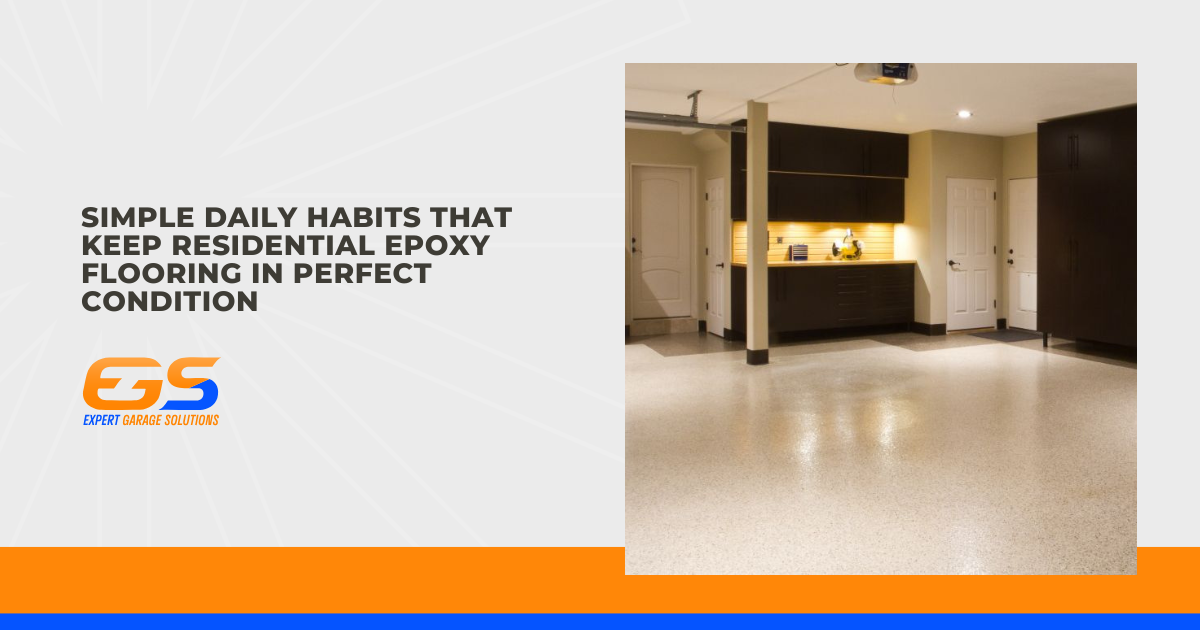
Most surfaces show their age, but residential epoxy flooring is built to stay looking sharp, as long as you treat it right. Small oversights like using the wrong cleaner, skipping a sweep, or dragging heavy objects across the surface add up faster than you'd expect. With years of experience in epoxy flooring installation and maintenance, I can tell you that prevention always costs far less than repair or recoating.
Dirt, grit, harsh chemicals, and heavy impact all chip away at your floor's finish over time, often in ways you don't notice. Consistent daily habits are what keep epoxy looking sharp year after year, and most of them take less time than you'd think. Staying ahead of wear is always easier and less costly than addressing damage after it's already visible.
Keep your residential epoxy flooring in perfect condition with these simple habits that deliver results without taking up your day.
- Sweep or dust mop your floor daily
- Wipe up spills immediately
- Use the right cleaning products
- Place mats and rugs in high-traffic areas
- Protect your floor from heavy impact and scratches
- Avoid dragging heavy objects across the surface
- Inspect your floor regularly for early signs of wear
Read on to see how each of these simple tips makes a real difference in how long your epoxy flooring holds up.
Sweep or Dust Mop Your Floor Daily
Daily sweeping is one of the simplest habits you can build around your epoxy floor, and it's also one of the most effective. Dirt, grit, and fine particles act like sandpaper on the surface every time someone walks across it, and the damage compounds quietly over time. I've seen floors that looked pristine during installation show dull patches and surface scratches within months, and in almost every case it came down to skipping this one basic step.
Soft-bristle brooms and microfiber dust mops are your best options because they lift particles without dragging them across the finish. Stiff-bristle brooms and rough mop heads create micro-scratches that dull the surface over time, so it's worth using the right tools from the start. A quick pass once a day takes less than five minutes and does more for your floor's longevity than any product you could apply to it.
High-traffic zones like entryways and garage doors collect the most dirt throughout the day and deserve extra attention. If you're tracking in sand or grit from outside, those particles start working against your finish the moment they land. I always recommend doing a quick sweep at the end of the day so your floor isn't sitting under a layer of abrasive material overnight.
Wipe Up Spills Immediately
Epoxy floors handle spills better than most surfaces, but that doesn't mean liquids can sit without consequence. Oils, chemicals, and acidic substances can penetrate or stain the surface if they're left long enough, and some damage from prolonged exposure isn't reversible without professional intervention. I've worked with floors where a single ignored chemical spill led to discoloration that required a full section recoat to fix.
Speed is what matters most when a spill happens. Blotting the liquid with a clean cloth or paper towel rather than wiping it outward keeps it contained and prevents it from spreading across a larger area of the surface. For oily spills, a small amount of dish soap diluted in warm water cleans the residue without stripping the finish or leaving a slick surface behind.
Certain liquids deserve extra caution on epoxy floors, and it's worth knowing which ones before they end up on your surface. Bleach, undiluted vinegar, and citrus-based cleaners break down epoxy's protective coating over time and can dull the finish with repeated exposure. Your instinct might be to reach for whatever cleaner is nearby, but taking a few seconds to grab the right one protects your floor from damage that builds up faster than you'd expect.
Use the Right Cleaning Products
Not every floor cleaner sitting under your sink is safe for epoxy, and using the wrong one regularly can do more damage than dirt ever would. Harsh chemicals, acidic formulas, and solvent-based cleaners strip the protective coating on epoxy surfaces and leave the finish vulnerable to staining, dulling, and premature wear. I'd always steer you toward pH-neutral cleaners specifically formulated for epoxy or sealed concrete surfaces.
To protect your epoxy floor with every clean, these are the products that earn their place in your routine.
- pH-neutral Floor Cleaner: Safe for regular use and preserves the finish without breaking down epoxy's protective coating. Look for formulas free from ammonia, bleach, and citrus additives.
- Diluted Dish Soap: A few drops in warm water works well for routine cleaning and won't compromise the surface with regular use. Keep the concentration light to avoid leaving residue behind.
- Microfiber Mop: Lifts and traps contaminants rather than redistributing them across the surface. This is far more effective on epoxy than a traditional string mop.
Switching to the right products is one of the easiest changes you can make, and your floor will show the difference quickly. Product choice isn't complicated once you know what to look for, and the right cleaner used consistently does more for your finish than any deep clean with the wrong formula ever could. Your epoxy floor responds well to simple, consistent care, and cleaning products are where that care either protects or slowly works against it.
Place Mats and Rugs in High-Traffic Areas
Entry points, workspaces, and high-traffic zones are where your epoxy floor takes the most consistent abuse, and mats are one of the most practical ways to reduce that impact. Dirt, grit, and moisture tracked in from outside land on your mat first rather than directly on your floor's surface, which makes a measurable difference in how much abrasive material your epoxy has to deal with daily. Floors without entry mats show wear patterns at doorways within the first year that floors with mats simply don't develop.
Choosing the right mat matters just as much as placing one. Rubber-backed mats should be avoided on epoxy floors because the rubber reacts with the surface over time and causes discoloration that's difficult to reverse. I've tested and worked with enough mat materials to know that non-staining backings are the only safe option for epoxy, so always check the label before purchasing since not all mats are marketed as floor-safe.
Beyond that, mats under workbenches, laundry machines, and in front of kitchen sinks add another layer of protection in zones where spills, dropped tools, and concentrated foot traffic are most common. From my experience, the floors that hold up best over time are the ones where mat placement was treated as part of the installation plan rather than an afterthought. Rotating and cleaning your mats regularly prevents them from becoming a source of grit themselves, which defeats the purpose of having them in the first place.
Protect Your Floor From Heavy Impact and Scratches
Epoxy floors are tough, but concentrated impact from dropped tools, heavy equipment, and hard objects can chip or crack the surface in ways that aren't easy to fix without professional help. Even smaller impacts that don't crack the surface can leave marks that catch the light and become more visible over time. Most of this damage comes down to habit rather than accident, and changing how you handle heavy objects in your space makes a bigger difference than you'd expect.
Furniture pads and floor protectors under the legs of heavy items like shelving units, workbenches, and storage cabinets distribute weight more evenly and prevent point-load pressure that can stress the surface beneath them. These are inexpensive and easy to apply, and they make a noticeable difference in how well your floor holds up under static weight over time. Checking and replacing worn pads regularly ensures they're actually doing their job rather than becoming a hard surface themselves.
In garage and utility spaces where heavy equipment moves in and out regularly, being intentional about how you set things down goes a long way. I can say with confidence that most work zone damage on residential epoxy floors is preventable, and rubber-wheeled carts and protective mats are the two simplest tools that make that possible. Both cost very little and take minutes to set up, yet they consistently make the difference between a finish that holds and one that shows wear far too soon.
Avoid Dragging Heavy Objects Across the Surface
Micro-scratches from furniture, equipment, or storage bins being dragged across your epoxy floor individually seem minor but collectively dull the finish over a surprisingly short period. These scratches don't always show up immediately, but under certain lighting conditions they become visible as a hazy or uneven sheen across high-traffic movement paths. I've assessed floors that looked fine under overhead lighting but showed significant surface abrasion when examined under natural light from a window.
Lifting rather than dragging is the most straightforward solution, but that's not always practical with heavy items. Furniture sliders and dollies with soft rubber wheels make moving heavy objects across epoxy much safer and far less likely to leave marks behind. Keeping a set of sliders in your garage or utility room means you're always equipped to move things the right way without having to improvise.
For items that stay in one place for extended periods, periodic repositioning prevents permanent wear marks from developing under legs or edges that sit in the same spot too long. Even a slight shift in position every few months keeps the surface wear more even and prevents concentrated pressure points from becoming visible over time. Small adjustments to how you move and position things in your space add up to a floor that stays looking consistent rather than showing the story of every heavy object that's ever crossed it.
Inspect Your Floor Regularly for Early Signs of Wear
Surface wear on epoxy floors shows up early, but only when you're paying close enough attention to catch it. Small chips along high-traffic edges, dull patches in areas of concentrated foot traffic, and slight peeling at seams or transitions are all early indicators that your floor needs attention before the damage progresses. I've seen minor surface issues turn into major repair jobs simply because they were left unaddressed.
Monthly visual inspections take very little time and give you a clear picture of how your floor is holding up. Walk the entire surface in good lighting and pay close attention to corners, entry points, and areas under heavy furniture or equipment since these zones tend to show wear first. Running your hand lightly across the surface in suspect areas can also reveal texture changes or rough patches that aren't immediately visible to the eye.
Catching issues early keeps your repair options simple and inexpensive. A small chip addressed promptly with a touch-up kit is a far different situation than a spreading delamination that requires professional recoating of an entire section. I always tell clients that regular inspection is the cheapest form of floor maintenance available, and the few minutes it takes each month can save a significant amount of time and money down the road.
Conclusion
Your epoxy floor is only as good as the habits you build around it, and the good news is that those habits don't take much to maintain. Consistent daily care costs you very little time and far less money than any repair or recoat ever will. Small, intentional habits done regularly are what separate floors that look great for decades from ones that show their age too soon. Put these practices into your routine and your epoxy floor will hold up exactly the way it was designed to.
Recent Posts