Choosing the Right Lighting for Your Closet System
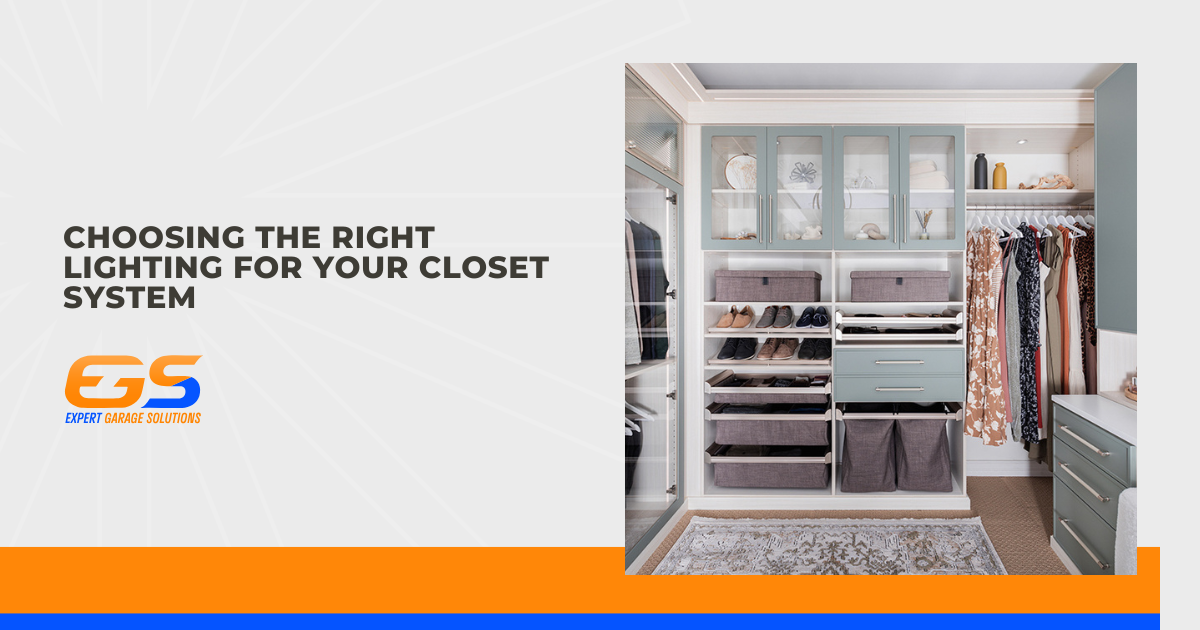
Have you ever stepped into your closet system and struggled to see what you actually have? Poor lighting can make even the most organized space feel inconvenient and harder to use. You might find yourself missing items, second-guessing colors, or relying on outside light just to get dressed. A well-lit closet system makes your daily routine smoother and more enjoyable.
Lighting is one of the first things I consider when planning or evaluating a closet system because it directly affects how the space functions. It’s not just about brightness, but about placing the right type of light in the right areas. When lighting is done well, everything feels easier to find and more visually appealing. A few smart choices can make a noticeable difference in how your closet works day to day.
Here are the key tips to help you choose the right lighting for your closet system:
- Assess your closet system layout first
- Choose LED lighting for safety and efficiency
- Layer lighting for better visibility and style
- Focus light on high-use areas
- Select the right color temperature
- Add motion sensors for convenience
- Plan wiring and power access early
Keep reading to see how each of these tips can improve both the function and feel of your closet system.
Assess Your Closet System Layout First
Before choosing any lighting, you need to understand how your closet system is laid out. The size and configuration of your space will influence what type of lighting works best. A walk-in closet has very different needs compared to a reach-in setup. You should also pay attention to shelves, hanging sections, and corners that may block light.
I usually start by looking at how light will move through the space rather than just where fixtures can be placed. It helps me spot areas that might end up too dark or unevenly lit. You might notice that a single ceiling light doesn’t reach deeper sections of your closet system. Planning with your layout in mind helps you avoid those common gaps.
When you take the time to assess your layout first, your lighting choices become much more intentional. You can decide where to add extra lighting without overdoing it. This step often prevents unnecessary adjustments later on. It sets a strong foundation for every other lighting decision you make.
Choose LED Lighting for Safety and Efficiency
LED lighting is one of the most practical choices for any closet system because it offers both performance and reliability. You get consistent brightness without the flickering or uneven light that can come with other options. It also uses less energy, which helps keep long-term costs down. This makes it a smart choice if you want lighting that works well every day.
Another important benefit is how little heat LED lights produce. Your closet system often contains fabrics and enclosed spaces, so lower heat levels add an extra layer of safety. You won’t have to worry about lights warming up shelves or affecting nearby items. This makes LED lighting especially suitable for tighter or more enclosed closet setups.
You’ll also appreciate how long LED lights last compared to traditional bulbs. Fewer replacements mean less maintenance and fewer interruptions in your routine. It’s easier to install lighting once and rely on it for years without constant upkeep. Choosing LED gives you a balance of efficiency, safety, and convenience that fits well into any closet system.
Layer Lighting for Better Visibility and Style
Relying on a single light source often leaves parts of your closet system in shadow. You’ll get better results by combining different types of lighting that work together. Each type serves a specific purpose and helps create a more balanced space. When layered properly, your closet system becomes easier to use and more visually appealing.
To create a well-lit closet system, you should understand how each layer of lighting contributes to the overall setup:
- Ambient Lighting: This lighting provides overall brightness for the entire closet system through ceiling fixtures or recessed lights. It helps you see the space as a whole and sets the foundation for all other lighting layers.
- Task Lighting: This lighting focuses on specific areas like shelves, hanging rods, or drawers where visibility matters most. It helps you quickly find items and reduces the need to rely on overhead lighting alone.
- Accent Lighting: This lighting highlights design features such as display shelves, finishes, or decorative elements. It adds depth to your closet system and gives the space a more polished look.
When these layers are combined, your closet system feels more complete and functional. I’ve seen even simple setups improve significantly with just one added layer of lighting. You reduce shadows while also enhancing the overall look of the space.
Focus Light on High-Use Areas
Not every part of your closet system needs the same level of lighting, so it helps to focus on the areas you interact with most. Strategic placement improves visibility and makes your routine feel smoother and more efficient. When lighting is added with purpose, it supports how you naturally move through the space. You’ll spend less time searching and more time getting on with your day.
You can improve visibility by placing lighting directly above or inside key sections of your closet system. Hanging areas benefit from light that reduces shadows, while shelves become easier to navigate with added brightness. Drawer lighting can also help you see smaller items more clearly without extra effort. These adjustments make your closet system feel more intuitive to use.
When you prioritize high-use areas, your closet system becomes more practical without needing excessive lighting everywhere. You create a setup that supports your daily habits instead of slowing you down. It also helps maintain a clean and uncluttered look since lighting is used where it matters most. This approach keeps your closet both functional and visually balanced.
Select the Right Color Temperature
Color temperature plays a key role in how your closet system looks and functions. It affects how accurately you see colors, which matters when you’re putting outfits together. Warmer lighting can make certain tones look off, while cooler lighting gives you a clearer view. Choosing the right temperature helps you feel more confident in what you’re wearing.
You’ll want to look for lighting that falls within a neutral to cool white range, typically between 3500K and 5000K. This range provides a clean and balanced light that works well for most closet systems. It allows you to see true colors without making the space feel too harsh or overly bright. Your closet will feel clearer and easier to navigate with this type of lighting.
When the color temperature is well-matched to your space, your closet system becomes more reliable to use. You won’t have to second-guess how items will look in different lighting conditions. Everything appears more accurate the moment you see it. This small adjustment can improve your daily routine in a very practical way.
Add Motion Sensors for Convenience
Motion sensor lighting adds a level of convenience that can make your closet system easier to use every day. You won’t need to reach for a switch when your hands are full or when you’re in a hurry. The lights turn on as you enter and switch off when you leave, which keeps things simple. This small feature can make your routine feel more seamless.
I like how motion sensors remove one extra step from your daily habits without drawing attention to themselves. You may not think much about it at first, but it quickly becomes something you rely on. It works especially well in spaces you use frequently throughout the day. You get light exactly when you need it without having to think about it.
Motion sensors can also help reduce unnecessary energy use since lights aren’t left on by accident. Your closet system stays efficient while still feeling comfortable and easy to access. It’s a practical upgrade that doesn’t require major changes to your setup. Adding this feature can make your space feel more modern and user-friendly.
Plan Wiring and Power Access Early
Lighting choices are much easier to execute when wiring and power access are considered early in your closet system design. Waiting until later can limit your options and make installation more complicated. You’ll have more flexibility when you plan where power sources will go from the start. This allows you to choose lighting that fits your vision instead of settling for what’s easiest to install.
You can decide between hardwired lighting and battery-operated options depending on your setup. Hardwired lighting offers a clean and seamless look, especially for built-in closet systems. Battery-powered lighting is easier to install and works well in areas where wiring isn’t accessible. Each option has its advantages, so it helps to think about what works best for your space.
When power access is planned ahead of time, your lighting design feels more intentional and complete. You avoid visible wires or last-minute adjustments that can affect the overall look. Your closet system will function more smoothly because everything is set up properly from the beginning. This step helps bring together both the practical and visual aspects of your lighting.
Conclusion
When you walk into your closet system, everything should feel clear, visible, and easy to access without extra effort. Lighting helps shape that experience in ways you might not notice right away but will appreciate every day. A few well-placed choices can shift the space from something you work around to something that works with you. Once your lighting is dialed in, your closet system starts to feel like a natural part of your routine rather than just a place to store things.
Recent Posts